
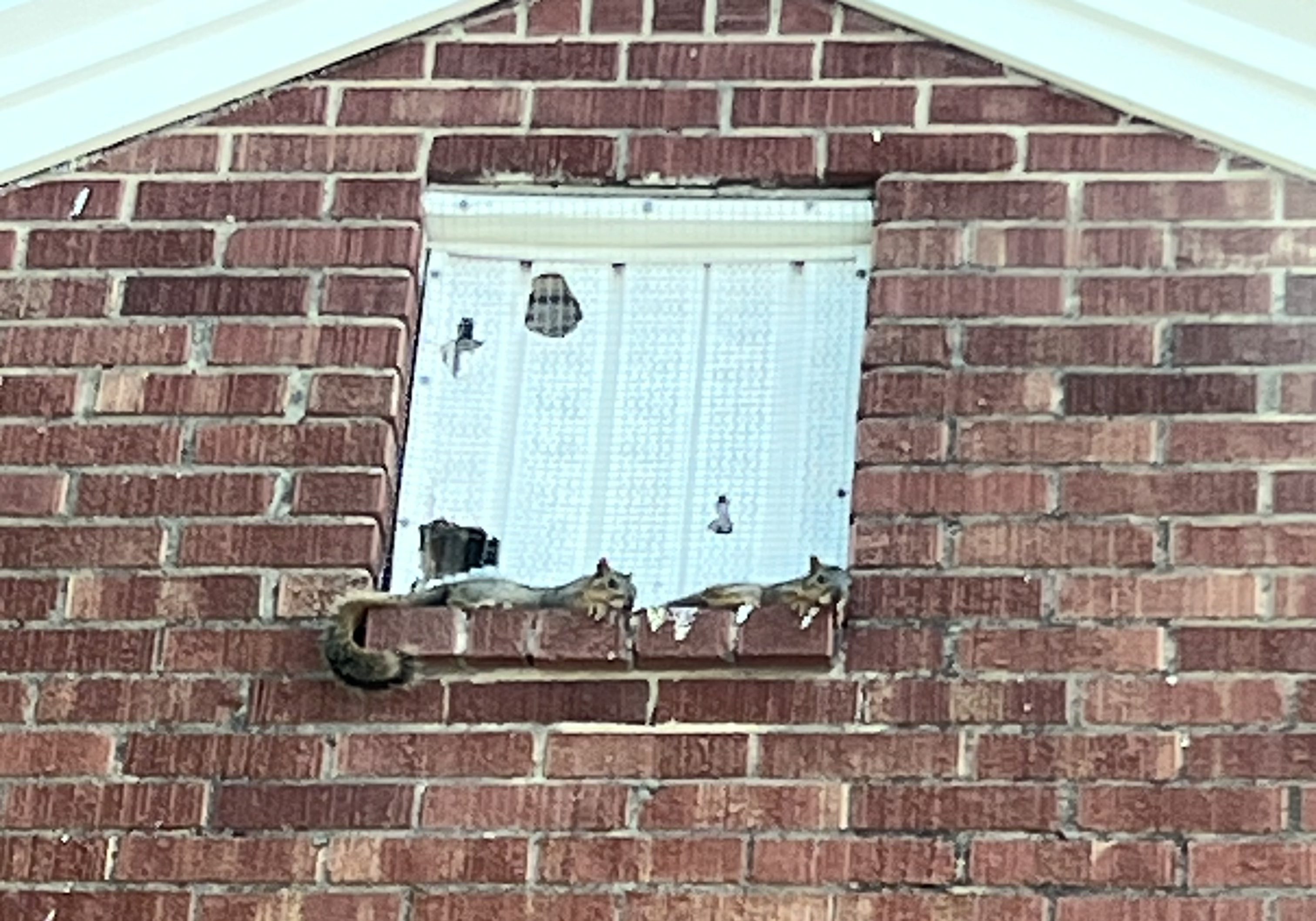
Why Wildlife Problems Keep Coming Back
Removing an animal solves the immediate wildlife problem. It does not automatically remove the shelter, entry point, food source, travel route or other condition that made the property useful to wildlife in the first place. Understanding those conditions is the key to reducing repeat wildlife problems.
Why One Removal May Not End the Problem
Why do wildlife problems keep coming back?
Wildlife problems often repeat because the condition that attracted or admitted the animal was never fully addressed. A home may still provide an accessible entry point, shelter, food, water or a location along a familiar wildlife travel route. Even when the original animal is gone, another animal can discover the same opportunity. Long-term wildlife control therefore depends on understanding the property, identifying how animals are using it and correcting practical vulnerabilities where appropriate.
Six Reasons Wildlife Problems Repeat
Recurring wildlife activity is usually not random. It is the result of one or more repeatable conditions around the home or neighborhood.
Accessible Entry Points
An opening in a soffit, roof return, vent, fascia, foundation area or other part of the structure may remain usable after an animal leaves. Another animal can later discover the same route.
Reliable Shelter
Attics, crawlspaces, wall voids, decks and sheds can provide protection from weather and predators. A successful shelter location can remain attractive as long as access remains available.
Food & Water
Bird feeders, pet food, accessible trash, fruit trees, gardens, standing water and other resources can increase wildlife activity around a property. They do not guarantee an infestation, but they increase opportunity.
Established Travel Routes
Creeks, drainage corridors, fences, mature tree lines and greenbelts can act as normal wildlife travel routes. A house positioned along one of those routes may receive more wildlife pressure than a nearby home.
Familiar Den or Nest Sites
Some animals may return to locations that previously provided successful shelter. Even when the original animal does not return, another animal may discover the same protected location.
New Vulnerabilities
Oklahoma weather, aging materials, settling, roof work and other contractor activity can create new openings over time. A home that was secure in the past is not guaranteed to remain unchanged forever.
Removal and Prevention Are Not the Same Service
Both can be necessary, but they solve different parts of a wildlife problem.
Why Does My Home Keep Getting Wildlife When My Neighbor’s Doesn’t?
Two houses on the same street can experience very different wildlife pressure.
Wildlife does not distribute itself evenly across a neighborhood. The location of trees, drainage, shelter, food, water and structural openings can make one property more useful than another.
- Creeks, ponds and drainage channels
- Mature trees touching or overhanging rooflines
- Parks, wooded areas and greenbelts
- Bird feeders and outdoor pet food
- Accessible trash or compost
- Fruit or nut-producing trees
- Detached buildings, barns and sheds
- Older rooflines or aging construction materials
One Vulnerable Home Can Attract Different Animals Over Time
A recurring wildlife problem does not always mean the same individual animal came back. Sometimes the species itself changes because the structural opportunity remains.
Can Scent and Contamination Contribute to Recurring Wildlife Problems?
Sometimes. Wildlife activity can leave biological material and scent inside or around a structure.
Rodents use scent cues as part of familiar travel and nesting behavior. Droppings, urine, nesting materials and other contamination can also remain after an animal is removed.
Sanitation is not a substitute for exclusion, but when significant contamination exists, cleanup can be one part of restoring an affected area after the wildlife problem has been resolved.
Wildlife Problems Can Change Over Time
A small vulnerability today does not necessarily remain a small vulnerability forever.
An Opening Exists
A construction gap or damaged area gives an animal an opportunity to investigate the structure.
Wildlife Uses the Space
The attic, crawlspace or void becomes shelter, a nest location or part of an established travel route.
Damage or Contamination Grows
Repeated activity may enlarge openings or increase droppings, urine, nesting material, odor or insulation disturbance.
The Property Remains Vulnerable
If structural access remains, wildlife can continue discovering the same opportunity over future seasons.
What Actually Helps Stop a Wildlife Problem From Repeating?
Long-term control begins with understanding why the property is being used—not simply reacting to the animal that happened to be seen today.
1. Inspect
Identify the species, active entry point, wildlife evidence and other visible vulnerabilities around the property.
Wildlife Inspection →2. Resolve Current Wildlife
Use a species-appropriate, legal and humane removal method based on the animal and conditions found.
Humane Wildlife Removal →3. Address Structural Access
Repair agreed-upon entry points and vulnerable areas when exclusion is appropriate for the property.
Wildlife Exclusion →4. Address What Was Left Behind
Evaluate contamination, odor and insulation damage and perform cleanup or restoration when conditions justify it.
Attic Restoration →Can a Wildlife Problem Return Even After Professional Exclusion?
Yes. Properly repaired entry points can remain secure while entirely new vulnerabilities develop elsewhere on the home.
Roofs, siding, vents, trim and other construction components change over time. Oklahoma storms, heat, cold, expansion, settling, aging materials and later contractor work can create openings that did not exist during the original wildlife project.
That distinction matters: a new opening is not necessarily failure of an old repair. It can be a new condition on a changing structure.
A protected home is still a physical structure exposed to weather and maintenance changes. Periodic inspection gives homeowners a chance to identify new vulnerabilities before they develop into larger wildlife problems.
Our Approach to Recurring Wildlife Problems
A recurring wildlife problem makes more sense when the animal and the home are evaluated together.
Understand the Home
Identify wildlife activity, inspect accessible areas and understand how the structure, neighborhood and wildlife activity connect.
Solve Today’s Problem
Address the animal currently using the property with an appropriate wildlife removal or exclusion method.
Help Protect the Future
Address agreed-upon structural vulnerabilities and evaluate cleanup or restoration needs when wildlife has affected the home.
Frequently Asked Questions About Recurring Wildlife Problems
These are the questions Oklahoma homeowners most often need answered when wildlife activity seems to return.
Can wildlife come back after an animal has been removed?
Does recurring wildlife mean the same animal came back?
Why does my house have wildlife problems when nearby homes do not?
Can wildlife use the same hole again?
Why inspect the whole house if the problem is only in one area?
Does every wildlife problem require exclusion work?
Can a wildlife problem return after exclusion work?
Do bird feeders and pet food cause wildlife problems?
Does attic cleanup prevent wildlife from coming back?
What is the best way to stop recurring wildlife problems?
Does True Care Wildlife offer inspections?
Find Out Why Wildlife Keeps Using Your Home
A professional inspection can help identify the animal, find likely entry points, evaluate structural vulnerabilities and explain whether removal, exclusion, cleanup or a combination of services makes sense for your property.
Explore Our Wildlife Services
Identify the animal, understand the problem, and explore the services that help protect your home.
Leave a Reply