
Protect Your Home. Keep Wildlife Wild.
Removing one animal doesn’t remove what attracted it.
Wildlife isn’t targeting your home specifically. It’s responding to the same basic needs every wild animal has: food, water, and shelter.
Understanding why wildlife returns is one of the most important steps in helping prevent future problems.
Wildlife Is Looking for Opportunity
Wild animals don’t recognize property lines.
They move through neighborhoods every day looking for places to eat, drink, and safely rest.
Homes simply become one of many possible shelter locations.
Your Neighborhood Matters
Some properties naturally experience more wildlife activity than others.
Common factors include:
- Creeks and rivers
- Mature trees
- Parks and greenbelts
- Bird feeders
- Outdoor pet food
- Accessible trash
- Fruit trees
- Nearby barns or wooded areas
These features don’t cause wildlife problems—but they do increase the number of animals living nearby.
Wildlife Follows Familiar Routes
Many animals travel the same paths every day.
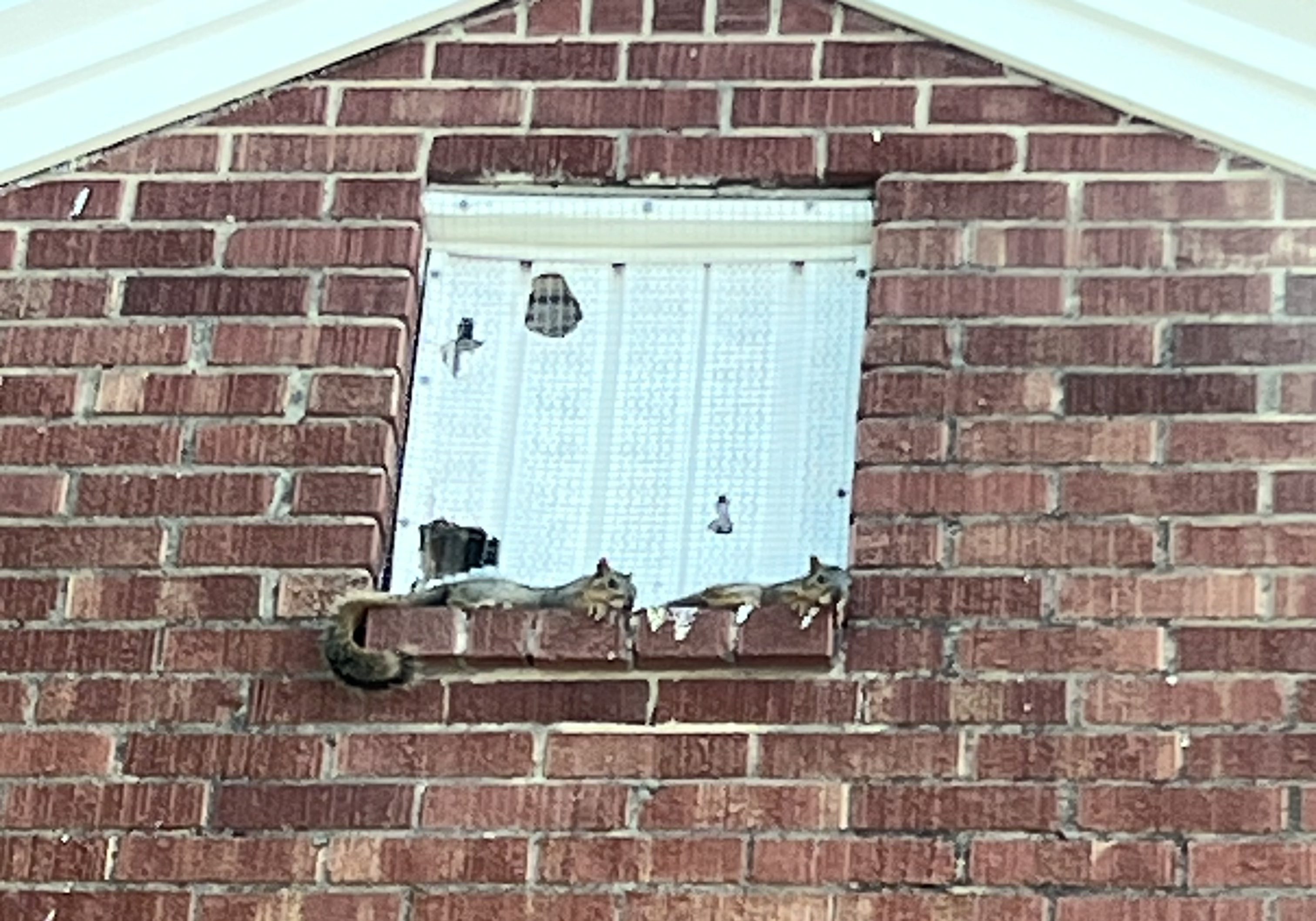
Squirrels follow tree lines and fences.
Raccoons often travel creek corridors and drainage areas.
When a home sits along those routes, animals are more likely to investigate it as a potential shelter.
Rodents Leave Scent Trails
Mice don’t simply wander at random.
As they travel, they leave scent markers that help establish familiar travel routes and identify nesting areas. Over time, other mice may follow these established pathways.
This is one reason rodent problems can sometimes continue until the animals are removed and entry points are properly addressed.

Some Animals Return to Successful Den Sites
Many wildlife species remember locations that provided safe shelter.
Female raccoons may reuse successful den sites across multiple seasons.
Squirrels often stay within relatively small home ranges.
If a shelter remains accessible, another animal—or sometimes even the same one—may eventually return.
One Opening Can Attract Different Animals
The species may change, but the opportunity stays the same.
A gap that once allowed mice inside may later attract squirrels, and a larger opening can eventually be used by raccoons.
Different animals often discover the same vulnerable areas over time.

Home Protection Helps Break the Cycle
Wildlife will always be part of Oklahoma.
The goal isn’t to eliminate wildlife—it’s to reduce opportunities for wildlife to use your home as shelter.
By identifying entry points, removing attractants where practical, and properly addressing contamination, homeowners can significantly reduce the likelihood of recurring wildlife problems.
Frequently Asked Questions
Understanding why wildlife returns can help homeowners make informed decisions about removal, exclusion, and long-term home protection.
Can wildlife return after an animal has been removed?
Yes. Removing an animal addresses the immediate problem, but it does not remove the food, water, shelter, travel routes, or accessible entry points that attracted wildlife to the property. If those conditions remain, the same animal or another animal may eventually return.
Why does my house keep attracting wildlife when my neighbor’s doesn’t?
Every property is different. A home may sit closer to a creek, wooded area, drainage path, mature tree line, bird feeder, pet food source, or other feature that provides food, water, or shelter. Wildlife also follows familiar travel routes, which can make one home more likely to experience repeated activity than another nearby home.
Why do you inspect the entire home if I only hear one animal?
The area where an animal is heard may not be the area where it entered. A complete exterior inspection helps identify the likely access point and determine whether other vulnerable areas are present. This gives homeowners a clearer understanding of the property before deciding what work, if any, is appropriate.
Will every home need wildlife exclusion?
No. Every home and wildlife situation is different. Some properties may only need the immediate animal removed, while others may benefit from sealing accessible entry points. Recommendations should be based on the conditions observed during the inspection and the homeowner’s goals.
Can wildlife use the same entry point again?
Yes. Wildlife may remember successful shelter locations, and other animals can discover the same opening through normal exploration, scent cues, or established travel patterns. Properly sealing a known entry point helps reduce the likelihood that it will be used again.
Continue Learning
- How Wildlife Problems Progress Over Time
- How Animals Get Into Oklahoma Homes
- True Care Home Protection Standard™
Schedule Your Free Home Inspection
Protect Your Home. Keep Wildlife Wild.

Leave a Reply